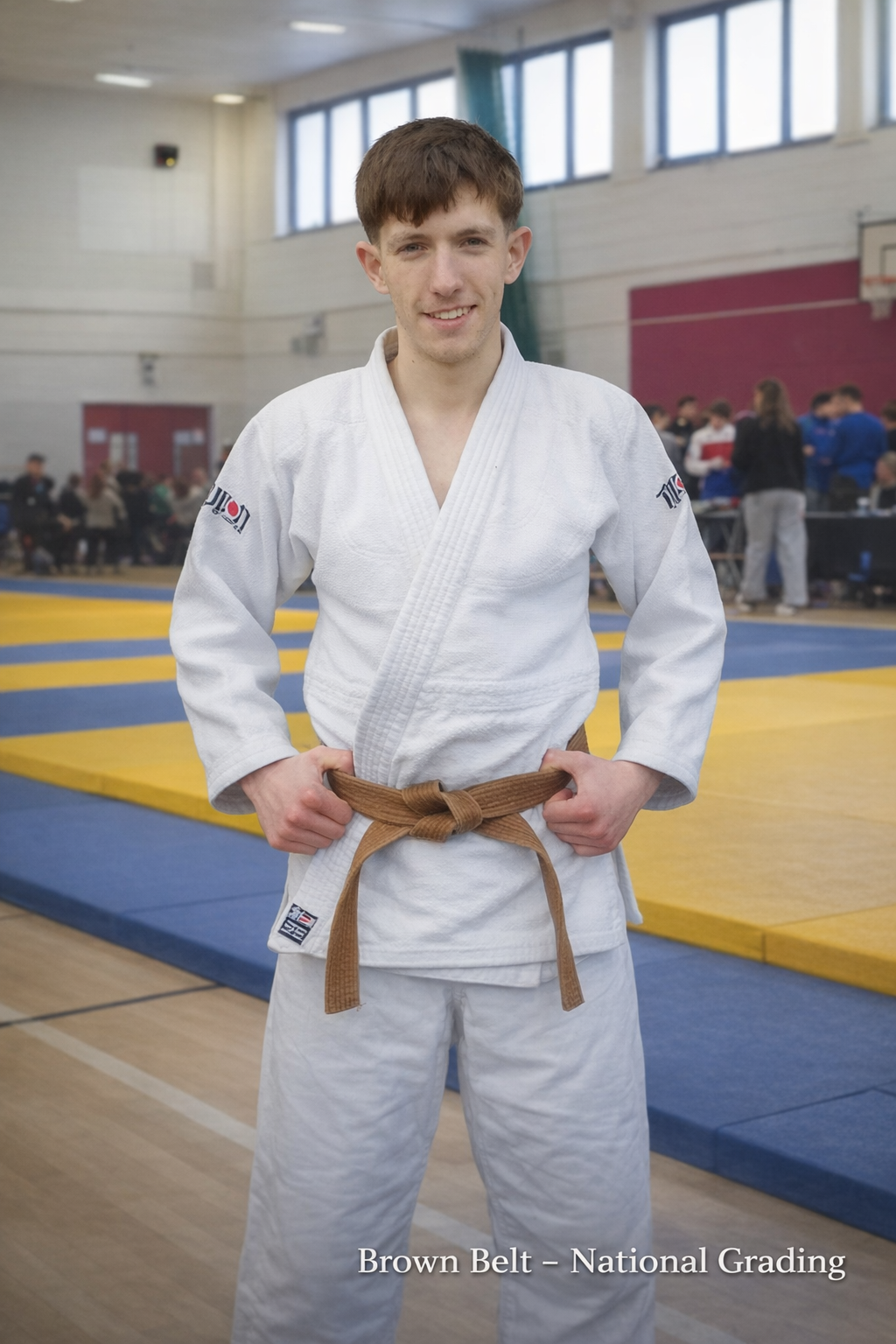
Kaelan Earns His Brown Belt
Kaelan was awarded his Judo Brown Belt at the National Grading in Dublin after a solid performance across the day, including two fight wins, kata, and demonstration of the required syllabus at this level.
Brown belt is a serious stage in Judo. It asks for more than just knowing the names of techniques. You have to show control, understanding, timing, composure and the ability to apply what you know properly when it counts.
On the day, that meant stepping forward and dealing with the full test in front of the panel — not just the technical side, but the pressure that comes with it as well. That is what makes progress at this level matter.
A Proper Milestone
For anyone outside the sport, brown belt can sound like just another grading step. In reality, it marks a high standard. It reflects a strong base in standing work, control on the ground, and the ability to stay composed when you are expected to perform.
It also shows how much consistent training has gone in behind the scenes. These moments always look simple from the outside. They never are.
Coach Recognition
Credit as well to Head Judo Coach Eoin Fleming for the coaching, standards and guidance behind the progress. Good results on the day are built long before the grading starts.
Adult Progress on the Mat
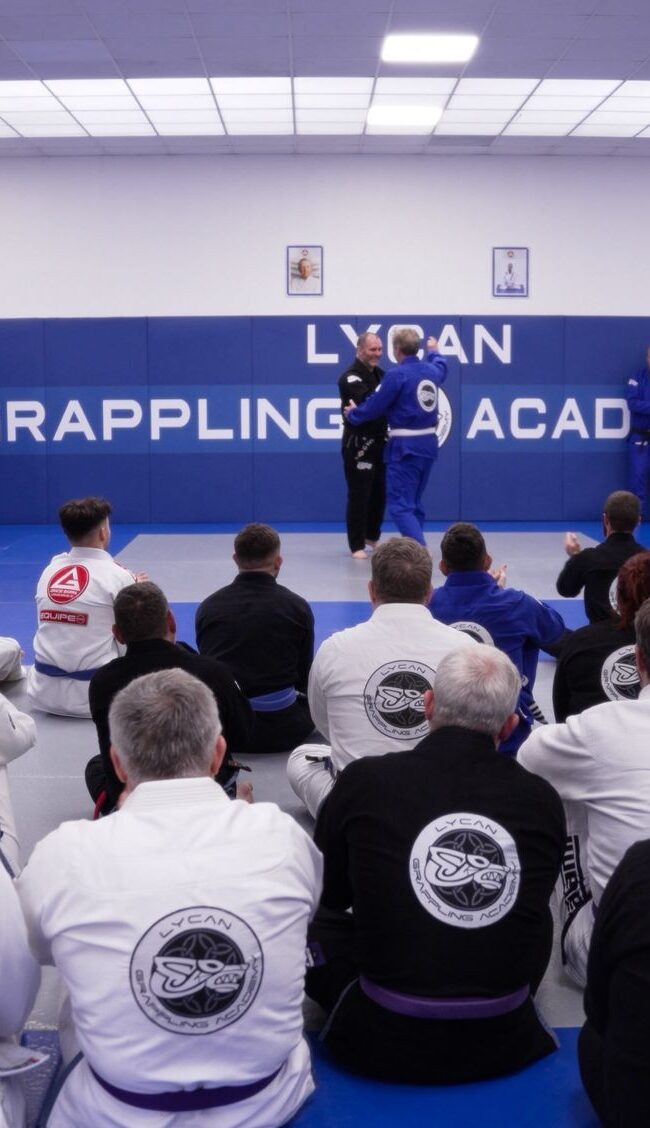
Alongside the grading, there is also a strong core of adults regularly attending the Judo sessions. They have been putting the work in consistently and are progressing well through their yellow belts, building a solid understanding of the basics in a way that is steady and practical.
That work is feeding directly into their Brazilian Jiu-Jitsu as well. Better balance, improved timing, stronger posture, and more confidence in standing exchanges all help to round out their overall grappling.
It is good to see the crossover working the way it should. The more comfortable people become with Judo fundamentals, the more it improves the wider standard of their BJJ.
Back to Work
Brown belt is an important achievement, but it is not the finish line. It is a marker of development and another step forward. The best way to treat it is the same way progress is always treated in a good gym: take it, appreciate it, then get back to training.